Multiple Sclerosis: Diagnosis, Course, and Living Guide
A guide to how MS affects the central nervous system, relapse and progression, the limits of MRI, and the role of rehabilitation.
Contents5 sections
What is multiple sclerosis?
Multiple sclerosis (MS) is a chronic disorder in which the immune system damages myelin and nerve fibers in the brain and spinal cord. Depending on location, it may cause reduced vision, numbness, weakness, imbalance, double vision, bladder problems, cognitive change, or fatigue. Symptoms vary between people and over time. MS is not contagious and is not caused by a single mistake a person made. Disease-modifying treatment can reduce disease activity, but it cannot promise a cure.
- Record when a new neurological symptom starts and whether fever or infection is present.
- Be cautious of claims that a supplement, diet, or vitamin alone stops MS.
- Discuss treatment with individual risks, pregnancy plans, infections, and vaccination in mind.
Relapse and progression
A relapse is usually a new neurological symptom or clear worsening lasting at least 24 hours after fever, infection, and other explanations are excluded. Heat or infection can temporarily revive old symptoms, a pattern sometimes called pseudo-relapse. Progression means gradual functional decline over months without a distinct relapse.
In relapsing-remitting MS (RRMS), attacks are followed by full or partial recovery periods. In secondary progressive MS (SPMS), a person who initially had a relapsing-remitting course develops more continuous disability progression independent of relapses, although relapses may still occur. In primary progressive MS (PPMS), gradual progression is present from onset without distinct early relapses. These descriptions guide treatment and monitoring but do not predict one speed or outcome for everyone.
MRI in diagnosis and follow-up
MRI can show lesions compatible with demyelination in the brain and spinal cord. Dissemination in space means evidence that more than one characteristic central-nervous-system region is affected; dissemination in time means evidence that damage occurred at different times. Periventricular, cortical or juxtacortical, infratentorial brainstem-cerebellar, and spinal cord locations can be characteristic of MS, but do not establish the diagnosis alone.
Contrast can identify some active lesions, but is not required for every follow-up; kidney function, pregnancy, and previous exposure matter. Not every white spot is MS, and lesion count alone does not determine function or prognosis. Diagnosis combines history, examination, MRI, and sometimes supporting tests such as cerebrospinal-fluid analysis.
Rehabilitation and daily life
Rehabilitation complements medicine. Physiotherapy can address strength, flexibility, balance, and gait; occupational therapy can address energy management and everyday tasks; speech-language therapy can address speech or swallowing; and neuropsychology can support attention, memory, and mood goals. Exercise should be individualized for heat sensitivity and fall risk. Bladder, bowel, pain, spasticity, sexual health, and fatigue can all be discussed openly, while clinicians should avoid attributing every symptom to MS.
- Spread demanding tasks across the day to manage energy.
- Assess mobility aids before a fall occurs.
- Include work, education, and family roles in rehabilitation goals.
- Seek support for smoking cessation and general vascular health.
References
- Multiple sclerosis (opens in a new tab) — World Health Organization
- Neurological Diagnostic Tests and Procedures (opens in a new tab) — NIH/NINDS
KEEP READING
Related guides

Neurorehabilitation: Preserving Function and Participation
Neurorehabilitation is a team process that supports function, independence and participation after a neurological condition or injury, with goals reviewed as the person's needs change.
Read guide: Neurorehabilitation: Preserving Function and Participation
Headache and Migraine Guide
A patient guide to distinguishing common headache patterns, migraine aura, medication overuse, and symptoms that need urgent assessment.
Read guide: Headache and Migraine Guide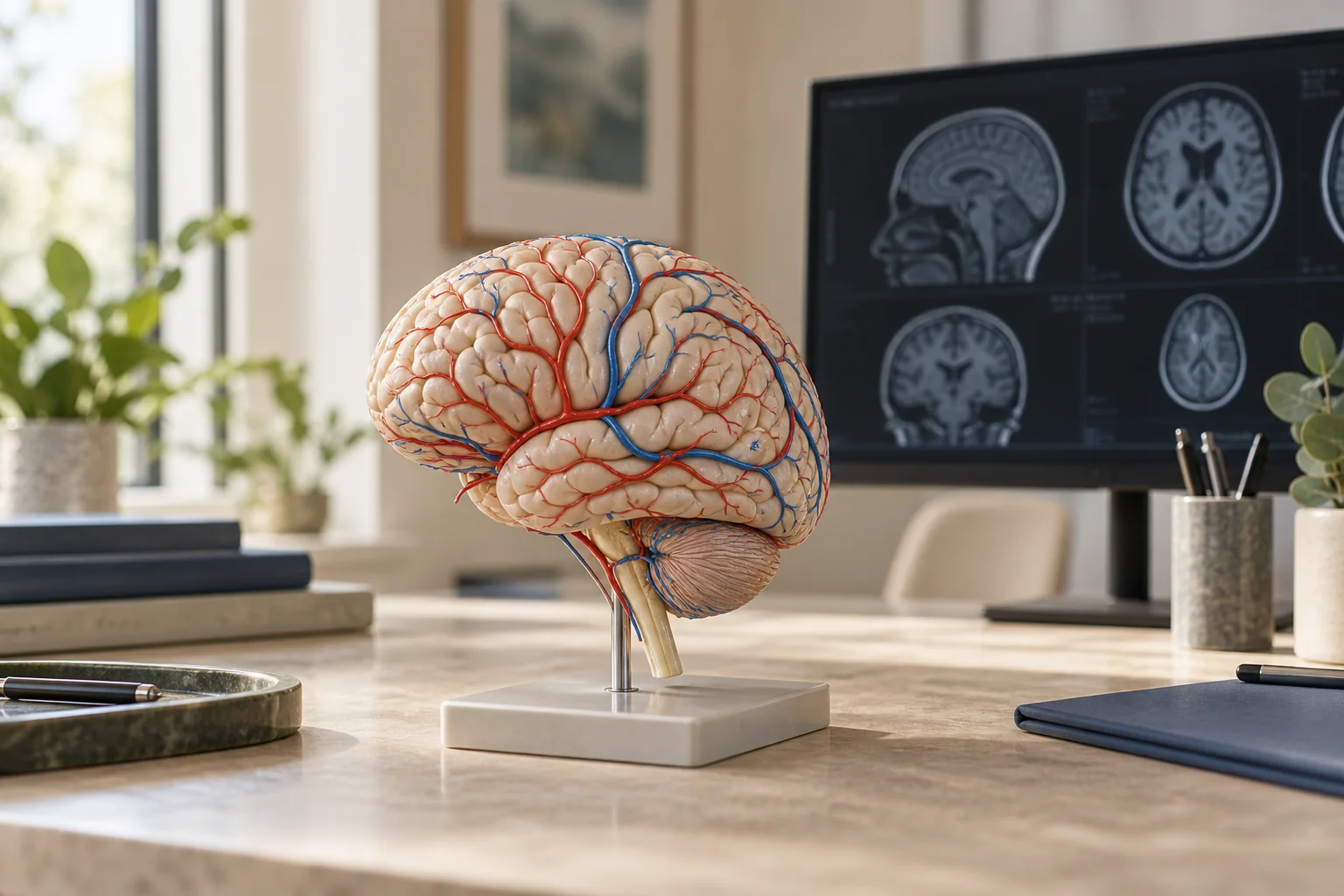
Stroke: Diagnosis, Treatment, and Recovery Guide
A guide to recognizing stroke quickly, understanding imaging-based emergency treatment decisions, and planning individualized rehabilitation.
Read guide: Stroke: Diagnosis, Treatment, and Recovery Guide