
Headache and Migraine Guide
A patient guide to distinguishing common headache patterns, migraine aura, medication overuse, and symptoms that need urgent assessment.
Read guide: Headache and Migraine GuideFOR PATIENTS AND FAMILIES
Explore neurology topics and find a guide by title or keyword.
Search guide titles and summaries. Your search is not saved.
15 guides
A patient guide to distinguishing common headache patterns, migraine aura, medication overuse, and symptoms that need urgent assessment.
Read guide: Headache and Migraine Guide
A guide to recognizing stroke quickly, understanding imaging-based emergency treatment decisions, and planning individualized rehabilitation.
Read guide: Stroke: Diagnosis, Treatment, and Recovery Guide
A guide to distinguishing ordinary aging from cognitive change that affects daily function, understanding assessment, and addressing modifiable risks.
Read guide: Dementia and Alzheimer’s Guide
A guide covering first-seizure assessment, CDC-based seizure first aid, treatment, pregnancy, sport, driving, and military-service review in Türkiye.
Read guide: Epilepsy and Seizure Guide
A guide to how MS affects the central nervous system, relapse and progression, the limits of MRI, and the role of rehabilitation.
Read guide: Multiple Sclerosis: Diagnosis, Course, and Living Guide
A guide to motor and nonmotor symptoms, clinical diagnosis, treatment options, and planning a safer daily life with Parkinson’s disease.
Read guide: Parkinson’s Disease Guide
A guide to symptoms, investigations, and team care across motor-neuron, peripheral-nerve, neuromuscular-junction, and muscle disorders.
Read guide: Neuromuscular Disorders Guide
A guide to sensory, motor, and autonomic nerve patterns, common causes, diagnostic tools including EMG, and treatment principles.
Read guide: Peripheral Nerve Disorders Guide
A guide to insomnia, sleep apnea, restless legs, REM sleep behavior disorder, and narcolepsy, including assessment and safer sleep habits.
Read guide: Sleep Disorders Guide
Neurorehabilitation is a team process that supports function, independence and participation after a neurological condition or injury, with goals reviewed as the person's needs change.
Read guide: Neurorehabilitation: Preserving Function and Participation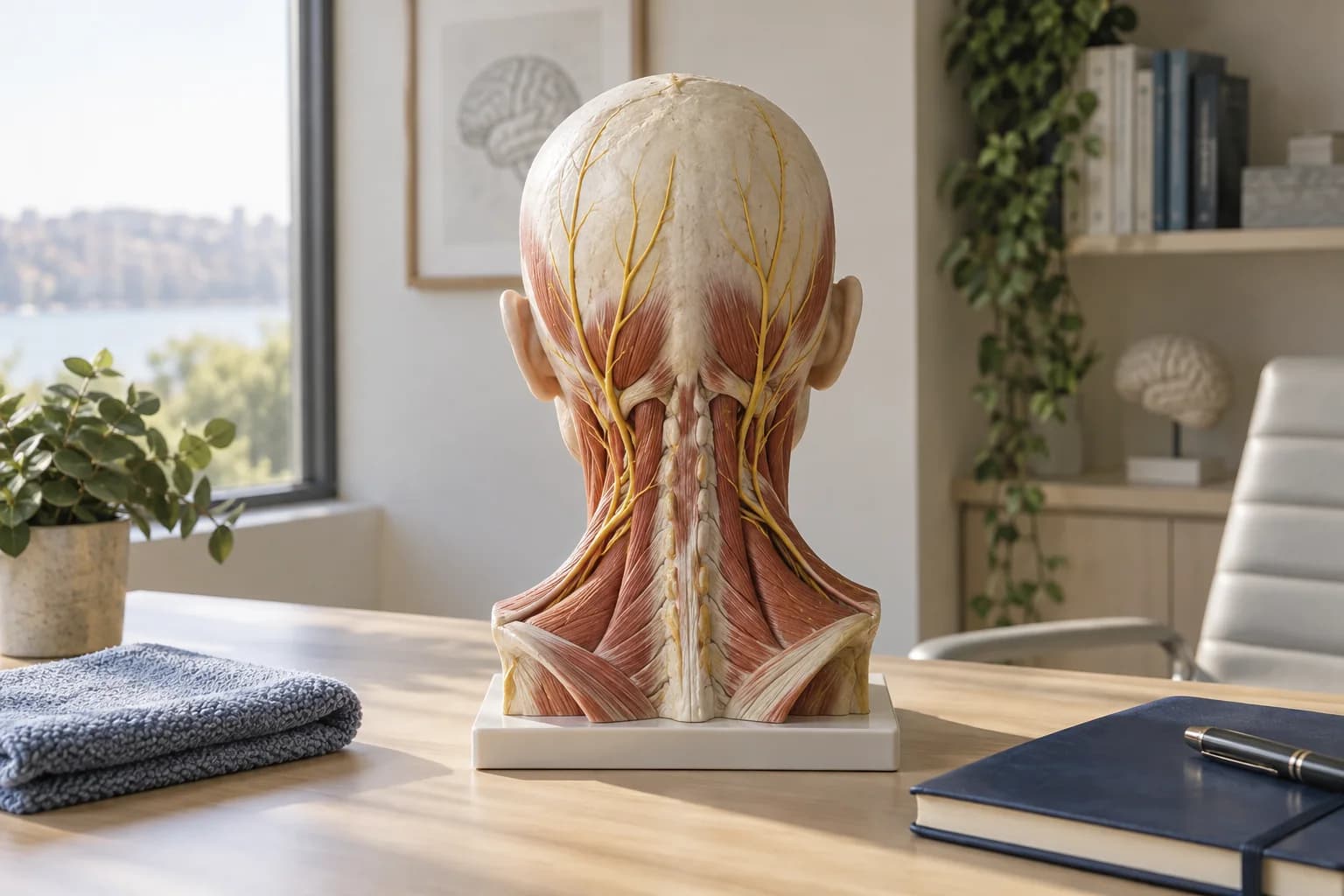
Injections around the occipital, supraorbital or supratrochlear nerves may offer temporary relief for selected headache disorders; suitability, drug choice, uncertain benefit and risks need individual discussion.
Read guide: Peripheral Nerve Blocks for Headache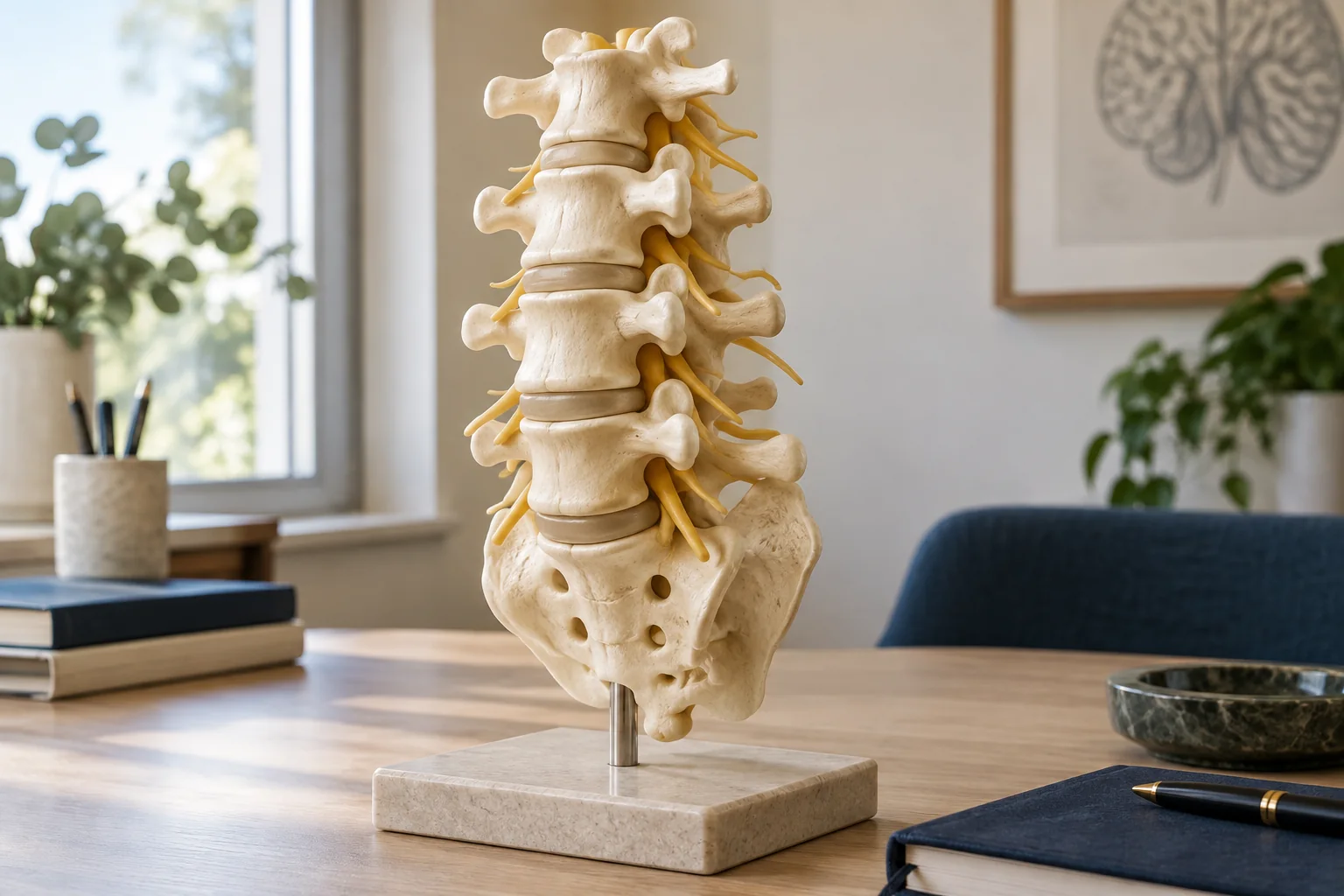
A medial branch block is a temporary diagnostic procedure used in selected chronic low back pain to assess whether facet joints may contribute; it is not definitive proof and may provide no benefit.
Read guide: Facet-Related Pain and Medial Branch Blocks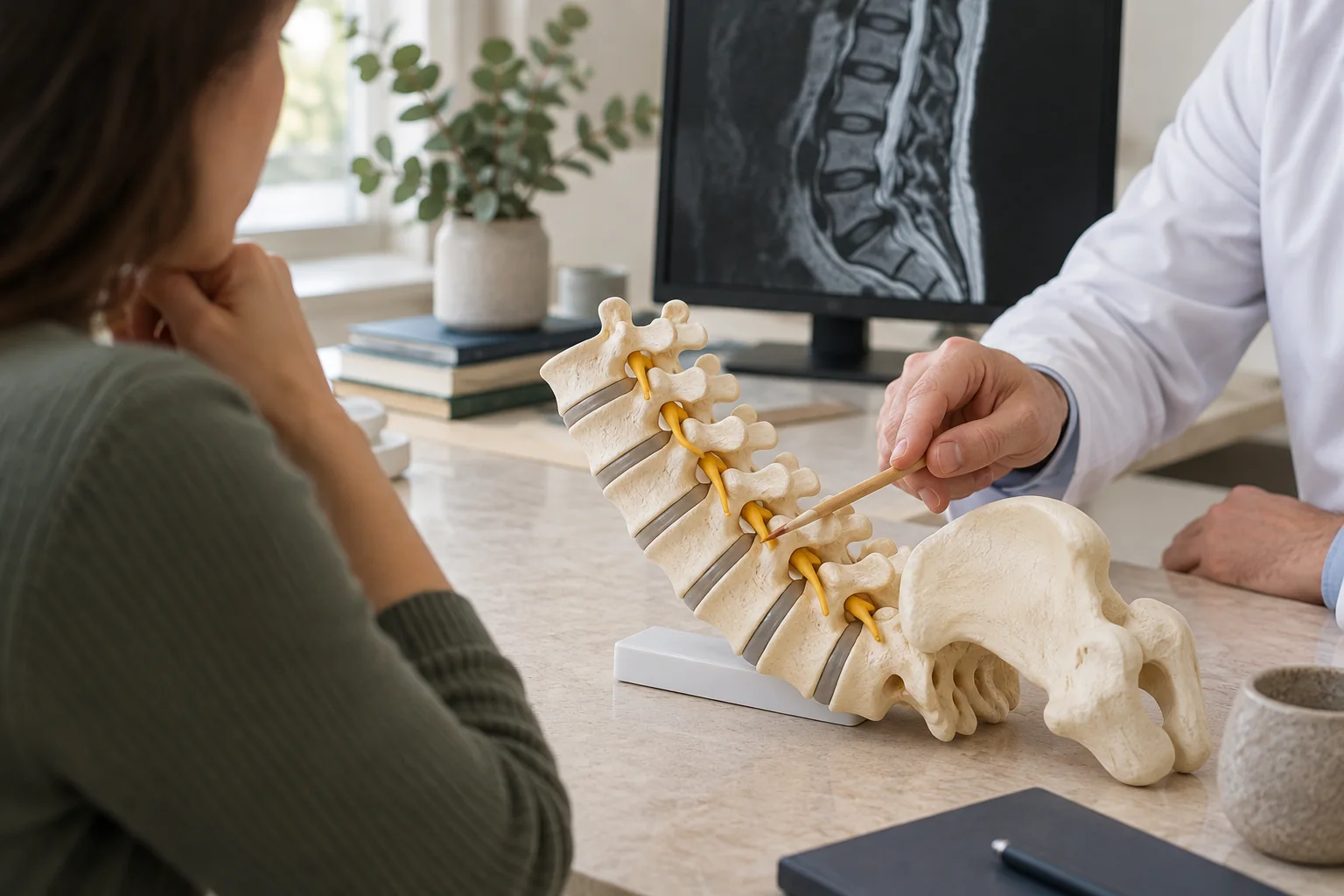
An image-guided selective nerve root injection may provide diagnostic information or temporary symptom reduction for selected radicular pain; response is unpredictable and risks can be serious.
Read guide: Selective Nerve Root Injections
Follow-up for children and adults with additional needs is coordinated care that looks beyond diagnosis to function, communication, nutrition, sleep, seizures, pain, mental health, education and family priorities.
Read guide: Neurological Assessment and Follow-up for People with Additional Needs
Milestones do not diagnose a condition; a skill missing at the expected age, marked asymmetry or loss of an acquired skill should prompt developmental screening and, where appropriate, specialist assessment without delay.
Read guide: Developmental Red Flags in Infancy and Childhood