Neurorehabilitation: Preserving Function and Participation
Neurorehabilitation is a team process that supports function, independence and participation after a neurological condition or injury, with goals reviewed as the person's needs change.
Contents6 sections
What neurorehabilitation means
A condition, injury or operation affecting the brain, spinal cord, nerves or muscles can change movement, communication, swallowing, thinking, self-care, education, work and social life. Neurorehabilitation is not one treatment that removes the diagnosis. It turns a person's priorities into functional goals and can combine practice of lost skills, preservation of current abilities, environmental adaptations and prevention of avoidable complications.
Setting, duration and intensity are not chosen from diagnosis alone. The team considers medical stability, fatigue, cognition, mood, pain, care support, home environment and what matters to the person. Care may move between inpatient, outpatient, home and community services. Progress and new needs should prompt planned reassessment.
Adaptation and neuroplasticity
Neuroplasticity describes the nervous system's capacity to change connections and patterns of activity in response to experience and learning. Relevant repetition, feedback and practice in real activities can support learning. This capacity does not mean that another brain area will completely take over every damaged function, and it does not guarantee full recovery.
Outcomes vary with the condition, severity, associated health problems, access to care and tolerance. Small changes can still matter: a safer transfer, a reliable communication method, better fatigue management or completing part of a daily task with less help may improve participation and reduce caregiver strain.
Rehabilitation after stroke
Assessment begins early once the person is medically stable and able to participate. There is no universal 24-to-48-hour rule or identical intensity for everyone; the stroke team decides timing and dose of mobilisation from the clinical picture. Recovery can be fastest in the first months, but practice, compensation and environmental changes may produce meaningful gains months or years later.
- Positioning, transfers, balance, standing and safe walking, with falls and mobility-aid assessment where needed.
- Task practice for arm and hand function, including reaching, grasping, releasing, dressing and eating.
- Assessment of aphasia, dysarthria and cognitive communication, with supported or alternative communication when useful.
- Swallowing assessment by an appropriately trained professional when dysphagia is suspected, addressing aspiration and nutrition risks.
- Goal-based spasticity management that may include stretching, positioning, orthoses, medicine or botulinum toxin after individual benefit-risk review.
Different conditions, different goals
One exercise prescription does not fit every neurological condition. These examples are areas for assessment and shared goal setting, rather than personal treatment instructions.
| Condition group | Possible areas for assessment and goals |
|---|---|
| Parkinson's disease | Movement initiation, step length, freezing strategies, balance, falls prevention, daily activities and voice or communication. |
| Multiple sclerosis | Fatigue and energy management, strength, balance, spasticity, aerobic capacity, heat sensitivity, cognition, and bladder or bowel needs. |
| Neuromuscular conditions | Contracture prevention, safe mobility and equipment, breathing and cough support, swallowing and communication, while avoiding harmful overexertion. |
| Peripheral nerve conditions | Assessment for foot-drop orthoses, strength, foot care where sensation is reduced, balance and home safety. |
The team, goals and review
Neurology may lead diagnosis and neurological follow-up; rehabilitation medicine the overall plan; physiotherapy movement and mobility; occupational therapy daily activities and environmental adaptations; speech and language therapy communication and swallowing; and psychology or neuropsychology mood, behaviour and cognition. Nursing, dietetics, social work, orthotics, prosthetics and vocational services join according to need.
A useful plan records the person's goals, who provides each intervention, frequency, safe home practice and review timing. Report pain, marked fatigue, new weakness, falls, coughing while eating or weight loss. Sudden new facial or limb weakness, speech difficulty or altered consciousness should not wait for rehabilitation and needs emergency assessment.
References
- Rehabilitation for chronic neurological disorders including acquired brain injury (NG252) (opens in a new tab) — National Institute for Health and Care Excellence
- Stroke rehabilitation in adults (NG236) (opens in a new tab) — National Institute for Health and Care Excellence
KEEP READING
Related guides
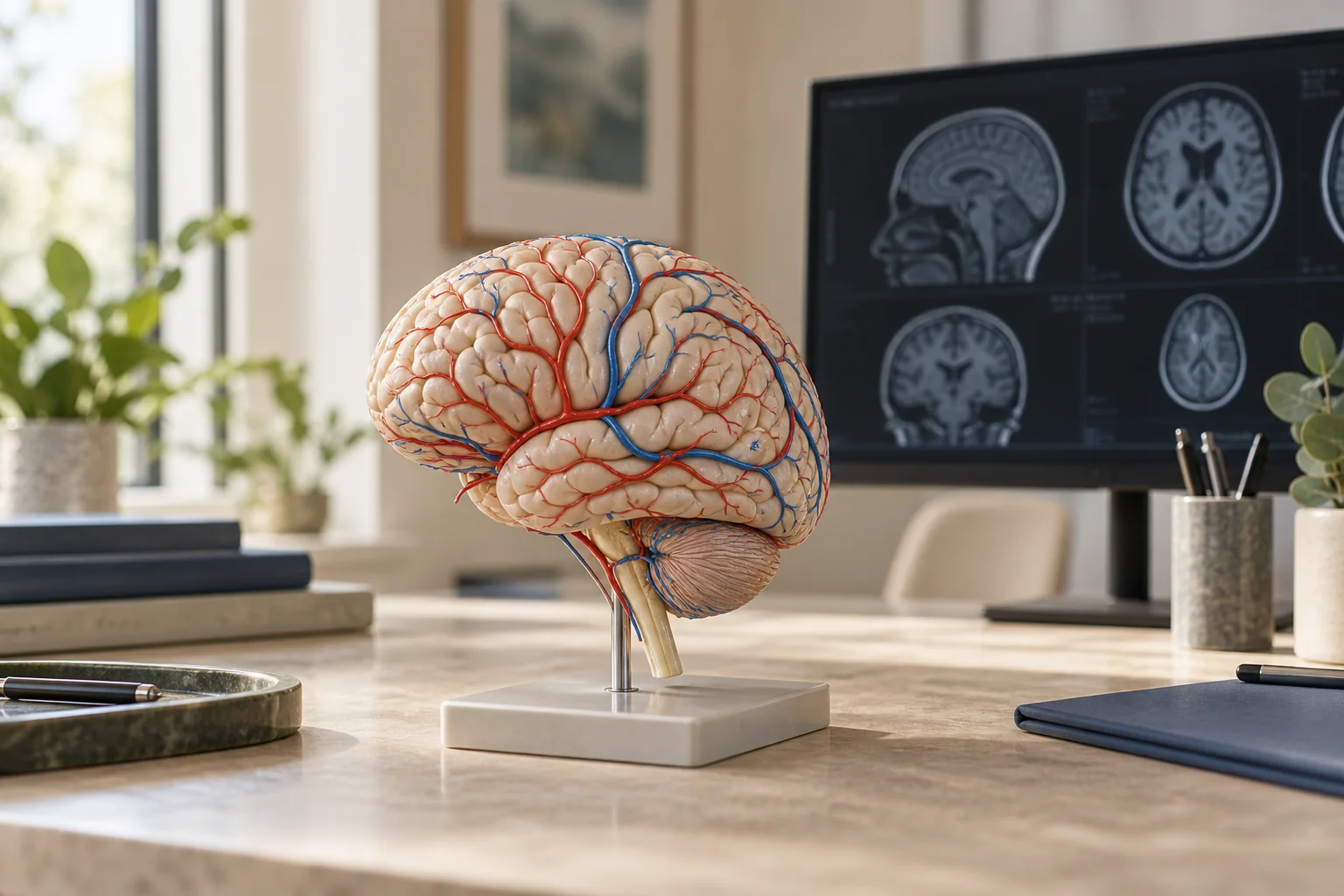
Stroke: Diagnosis, Treatment, and Recovery Guide
A guide to recognizing stroke quickly, understanding imaging-based emergency treatment decisions, and planning individualized rehabilitation.
Read guide: Stroke: Diagnosis, Treatment, and Recovery Guide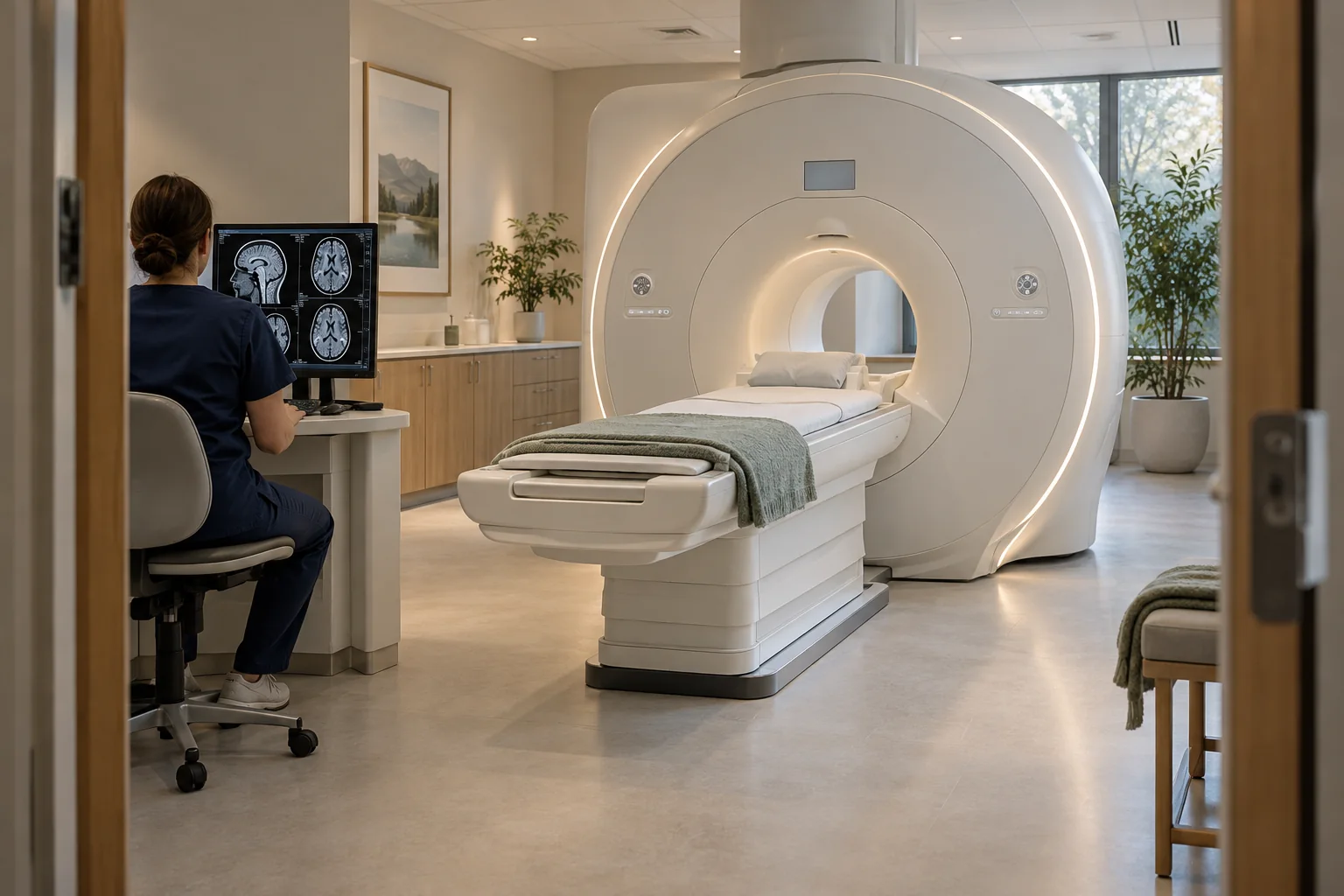
Multiple Sclerosis: Diagnosis, Course, and Living Guide
A guide to how MS affects the central nervous system, relapse and progression, the limits of MRI, and the role of rehabilitation.
Read guide: Multiple Sclerosis: Diagnosis, Course, and Living Guide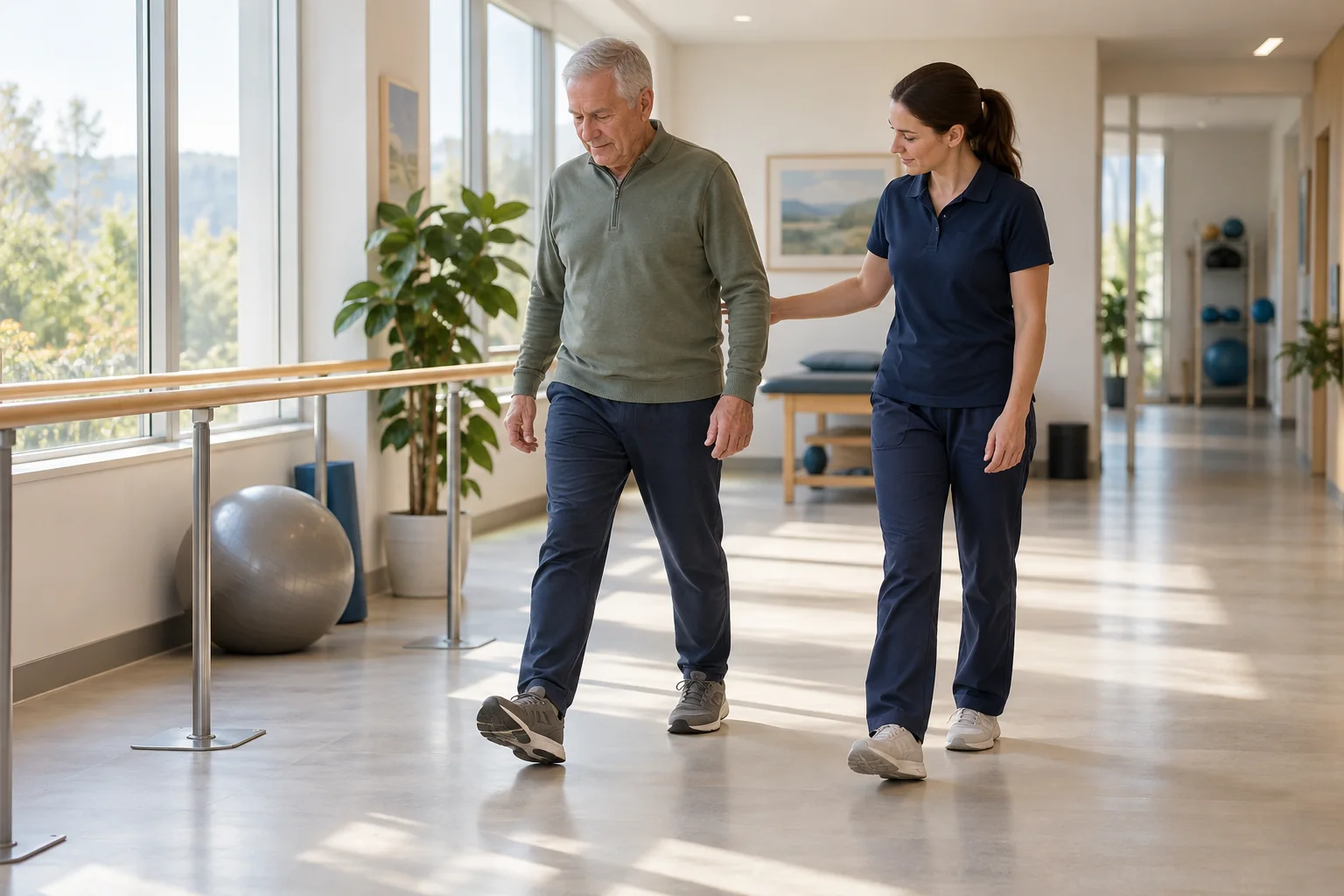
Parkinson’s Disease Guide
A guide to motor and nonmotor symptoms, clinical diagnosis, treatment options, and planning a safer daily life with Parkinson’s disease.
Read guide: Parkinson’s Disease Guide