Neurological Assessment and Follow-up for People with Additional Needs
Follow-up for children and adults with additional needs is coordinated care that looks beyond diagnosis to function, communication, nutrition, sleep, seizures, pain, mental health, education and family priorities.
Contents6 sections
Person-centred follow-up after diagnosis
A neurodevelopmental diagnosis alone does not describe a person's strengths, support needs or future. Follow-up should address communication, learning, vision and hearing, eating and swallowing, sleep, pain, behaviour, mental health, seizures, daily life, education or work and caregiver needs alongside movement and posture. Goals are agreed with the child or adult and their family where appropriate.
Review frequency varies with diagnosis, age, growth, current problems and treatment. Every test does not need repeating at every visit. Loss of a skill, marked functional change or a caregiver's concern may justify review before the next planned appointment. Accessible communication, supported decision-making and the person's consent are part of care.
Comprehensive follow-up in cerebral palsy
Cerebral palsy is a group of movement and posture conditions associated with a non-progressive disturbance in the developing brain. The original brain disturbance is non-progressive, yet function and care needs can change with growth, pain, hip or spine problems, muscle shortening, nutrition and new demands. Follow-up therefore needs to look beyond whether a person walks.
- Monitor motor skills, posture, pain, joint range, hip and spine health, falls, and whether mobility or communication equipment remains suitable.
- For spasticity, consider stretching, positioning, orthoses, medicine, botulinum toxin or surgery against shared and measurable functional or comfort goals.
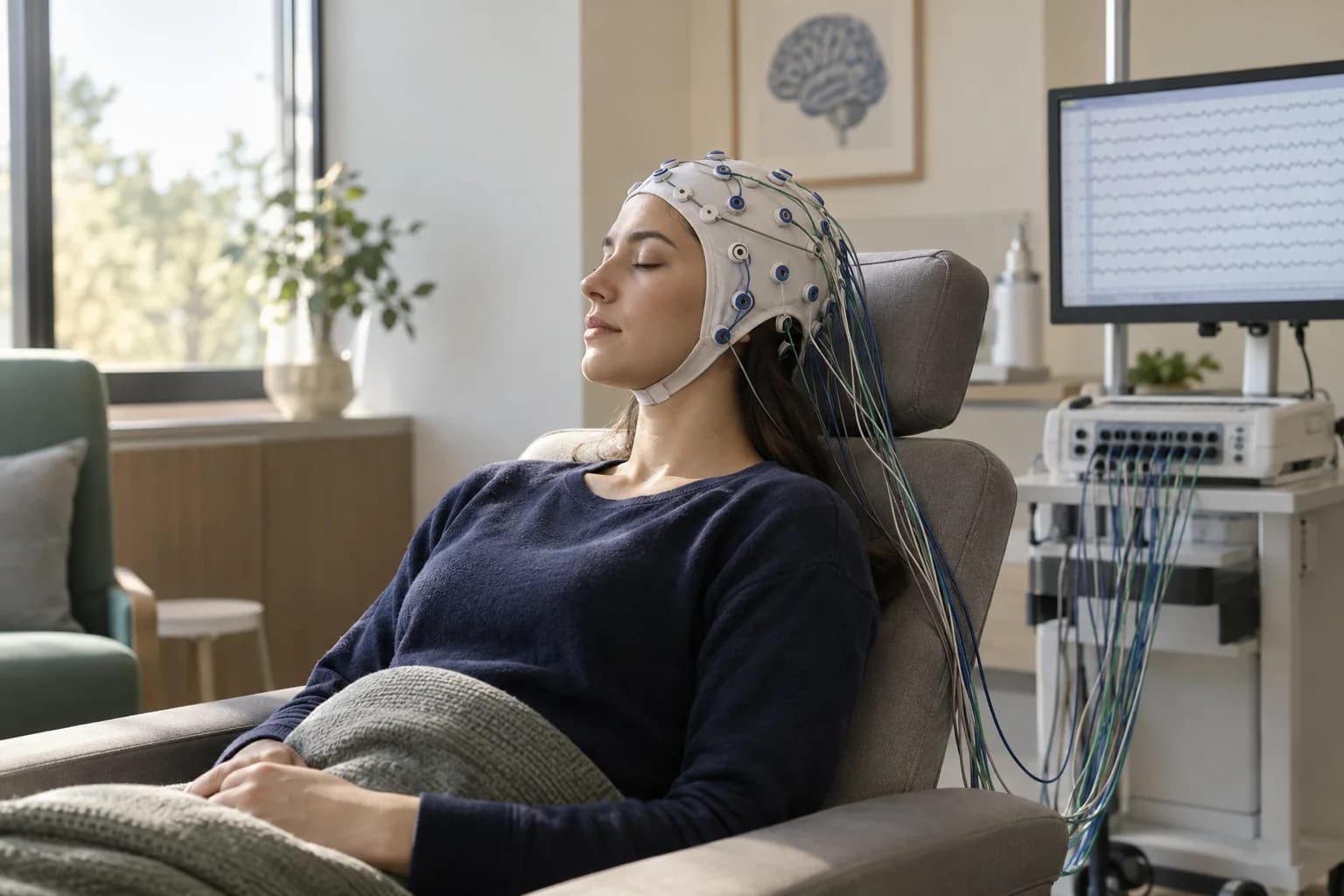
- Investigate suspected seizures through the epilepsy pathway; use EEG for a clinical question and remember that a normal EEG alone does not exclude epilepsy.
- Ask regularly about swallowing, chest infections, growth and nutrition, as well as communication, vision, hearing, sleep, pain and mental health.
- Review early intervention and continuity of rehabilitation against growth, function, comfort and family goals, adjusting intensity to individual tolerance.
Assessing coexisting needs in autism
Autism is a neurodevelopmental condition involving differences in social communication and interaction, with restricted or repetitive patterns of behaviour and interests. There is no medicine that removes its core features. Support is shaped around the person's communication, sensory profile, daily life and participation goals; coexisting conditions are addressed with their own evidence-based care.
Epilepsy, sleep problems, attention difficulty, anxiety, coordination needs, restricted eating, constipation and vision or hearing impairment can coexist. Staring, unexplained repeated movements, sudden jerks or clear regression may need seizure assessment. EEG is not a routine screening test for every autistic person; it is ordered for a clinical question such as suspected seizures or epileptic encephalopathy. Sleep assessment first examines pattern, breathing, pain, medicines and environment.
Genetic, neuromuscular and other developmental conditions
In spinal muscular atrophy, muscular dystrophy, inherited neuropathy or a rare syndrome, an accurate diagnosis guides monitoring of strength, breathing, cough, swallowing, nutrition, cardiac health, contracture, scoliosis, pain and equipment needs. Natural history and treatment options differ between disorders. Some therapies depend on age or disease stage, so timely referral to an appropriate specialist centre matters, but no particular outcome can be guaranteed.
Genetic testing is planned with clinical findings, counselling and possible consequences in mind. Discussion can cover meaning for relatives, uncertain variants, privacy and reproductive options. A weakening cough, new swallowing problem, rapid loss of strength or loss of a skill should prompt contact with the relevant specialist team without delay.
The multidisciplinary team and shared plan
Paediatrics, paediatric or adult neurology, rehabilitation medicine, physiotherapy, occupational therapy, speech and language therapy, dietetics, psychology, child and adolescent mental health or psychiatry, orthopaedics, genetics, social work and special education may contribute according to need. Not everyone needs every discipline. Named responsibilities and referral routes help prevent fragmented care.
A shared plan can record diagnoses, medicines, allergies, communication preferences, function, equipment, school or workplace adaptations, seizure or feeding emergency plans and transition goals. Transfer from children's to adult services should be planned. This guide does not establish that a named clinician provides paediatric neurology, interventional treatment or rare-disease services; the appropriate team and centre must be confirmed through local referral pathways.
References
- Cerebral palsy in under 25s: assessment and management (NG62) (opens in a new tab) — National Institute for Health and Care Excellence
- Autism spectrum disorder in under 19s: recognition, referral and diagnosis (CG128) (opens in a new tab) — National Institute for Health and Care Excellence
- Autism spectrum disorder in under 19s: support and management (CG170) (opens in a new tab) — National Institute for Health and Care Excellence
KEEP READING
Related guides
Epilepsy and Seizure Guide
A guide covering first-seizure assessment, CDC-based seizure first aid, treatment, pregnancy, sport, driving, and military-service review in Türkiye.
Read guide: Epilepsy and Seizure Guide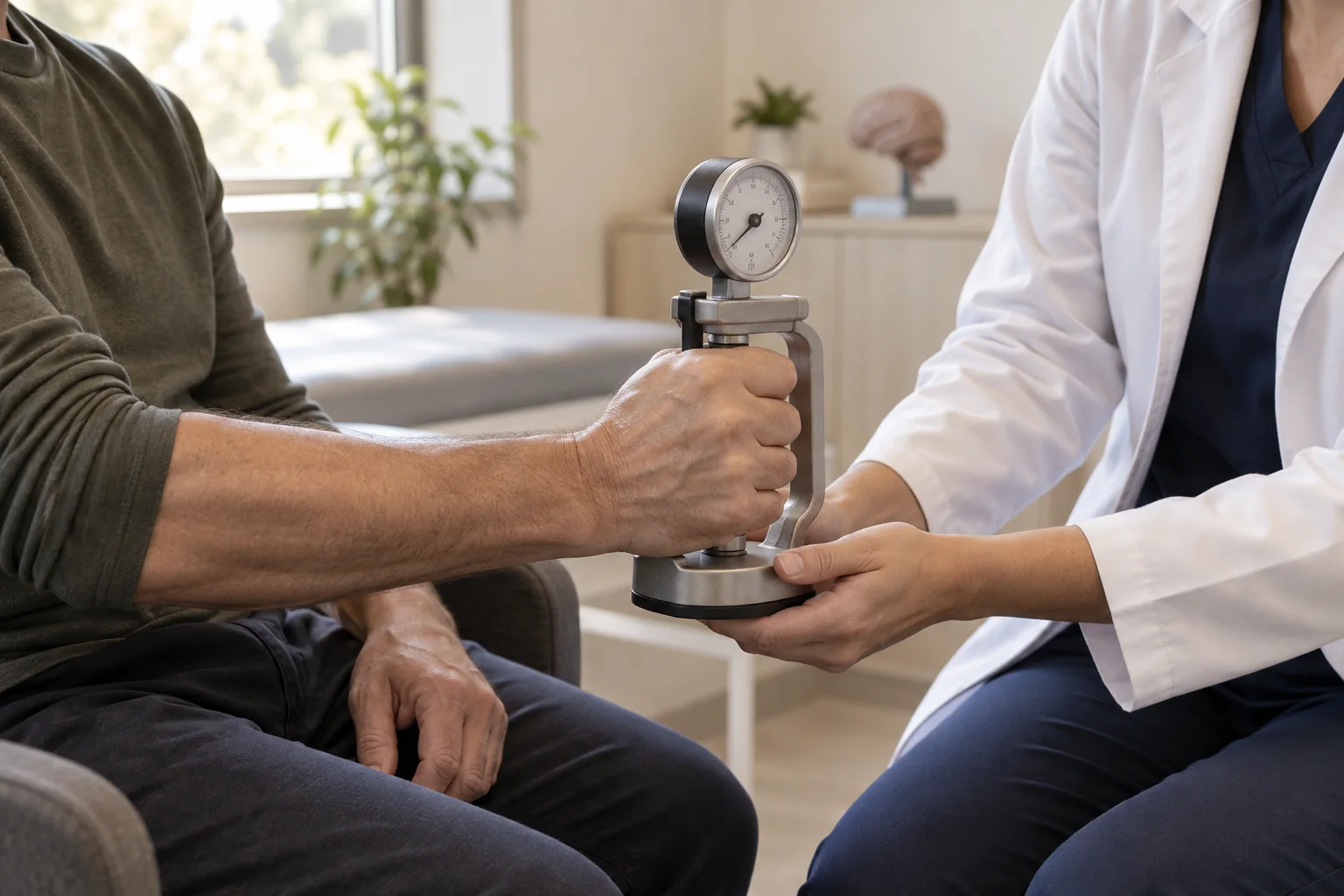
Neuromuscular Disorders Guide
A guide to symptoms, investigations, and team care across motor-neuron, peripheral-nerve, neuromuscular-junction, and muscle disorders.
Read guide: Neuromuscular Disorders Guide
Sleep Disorders Guide
A guide to insomnia, sleep apnea, restless legs, REM sleep behavior disorder, and narcolepsy, including assessment and safer sleep habits.
Read guide: Sleep Disorders Guide